NEW & NOW LIVE: 💗V-Shape Gua Sha Massage Oval Squeeze Tube



Top 10 FAQs for Custom Hand Cream Tube Packaging
1. Which squeeze tube type is the most hygienic?
Answer: Airless pump tubes and squeeze tubes with narrow orifice tips are the most hygienic because they limit air exposure and prevent users from dipping fingers into the product.
2. What are the pros and cons of plastic hand cream tubes versus aluminum hand cream tubes?
Pros: Lightweight, affordable, excellent printability, customizable shapes, soft and easy to dispense.
Cons: Multi-layer plastic tubes can be harder to recycle; non-PCR plastics face environmental criticism.
Aluminum CollaspibleTubes:
Pros: Fully recyclable, superior barriers to oxygen/light, ideal for preserving active ingredients, premium appearance.
Cons: Higher cost, may dent, less printable surface flexibility unless laminated or coated.
3. Which tube material is best for my hand cream formula?
-
Water-based creams: Plastic (PE, laminated, or PCR plastic) tubes work best for smooth dispensing.
-
Rich, thicker, balm-like creams: Aluminum tubes hold shape better and protect sensitive ingredients.
-
Active-rich formulas: Choose aluminum or multi-layer barrier tubes to prevent oxidation.
4. How can I make my hand cream tubes more sustainable?
Use:
-
PCR plastic (30–100% post-consumer content).
-
Mono-material PE tubes for easier recycling.
-
Aluminum laminated tubes, which are fully recyclable indefinitely.
-
Soy/plant-based inks and FSC-certified paperboard for outer boxes.
5. What barrier properties matter most for tube-packaged hand cream?
Your hand cream tube should protect against:
-
Oxygen: Prevents oxidation and maintains ingredient potency.
-
Moisture: Keeps the cream from drying out or separating.
-
UV Light: Use opaque, metallic, or tinted tubes for light-sensitive formulations.
6. What dispensing options can I use for hand cream tubes?
Popular choices include:
-
Flip-top caps (most common and convenient).
-
Screw caps (cost-effective and secure).
-
Needle-tip or small orifice heads for targeted dispensing.
-
Airless pump tubes for premium, hygienic, controlled dosing.
7. Does tube size influence consumer behavior?
Yes.
-
30–50 ml tubes: Travel-friendly, purse-friendly, and great for retail sets or gifts.
-
75–120 ml tubes: Standard everyday use size for home or office.
-
150+ ml tubes: Value size or professional spa/backbar use.
8. What labeling information must be included for compliance?
Typically required:
-
INCI ingredient list
-
Net volume (e.g., 50 ml)
-
Directions for use
-
Manufacturer or distributor address
-
Batch/lot number
-
PAO (Period After Opening) symbol (e.g., 12M)
Regulations vary by region (e.g., FDA, EU CPNP), so always confirm local guidelines.
9. How can I customize tube packaging to match my brand?
Customization options include:
-
Tube material: PE, laminated, PCR, or aluminum.
-
Finish: Glossy, matte, soft-touch, metallic foil, or embossing.
-
Cap styles: Flip-top, screw cap, pump, or custom colors.
-
Printing: Offset, digital, silk-screen, hot stamping.
-
Shape: Round, oval, soft-squeeze, or custom molds.
10. How do I prevent leakage or spoilage in tubes?
-
Ensure cap and orifice size match your cream’s viscosity.
-
Add induction seals or foil seals for tamper-evidence and leak prevention.
-
Choose barrier tubes (aluminum or EVOH/laminated) to protect formulas with sensitive ingredients.
-
For premium formulas, use airless pump tubes to limit air exposure and extend shelf life.
As a top bottle manufacturer, Lisson custom bottles can be applied for perfume, makeup, personcare, cosmetics and more, regarding the key parts to complete beauty brands' image, Lisson offers a wide range of precision-engineered applicators designed to match specific formulations and use cases:
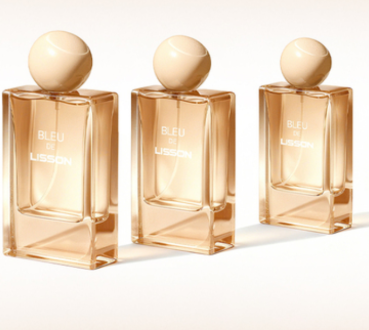
- Dropper nozzles for controlled, drop-by-drop dispensing of serums and oils
- Metal rollerballs, micro current vibrator for cooling, de-puffing application (ideal for eye care)
- Ceramic tips for a premium, smooth-glide cooling experience
- Silicone paddles for hygienic spreading of lip products and masks
- Needle-nose tips for targeted spot treatments
- Doe-foot applicators, wand, 0° silicone tip for lip glosses and concealers
- Brush tips for “paint-on” precision with liquid formulas
- Sponge heads for dab-and-blend applications like blush or cushion foundation
- Airless pump actuators that double as clean, controlled applicators
- Spray, mist for perfume packaging
How do I choose the right applicator for my formula?
Selecting the correct applicator depends on viscosity, application area, and user experience goals:
- Thin liquids (serums, oils): Dropper or needle-nose tip
- Eye treatments: Metal rollerball or ceramic tip
- Lip and cream products: Doe-foot or silicone paddle
- Foundations and highlighters: Brush tip or sponge head
- Thicker creams or lotions: Airless pump or wide applicator head
Lisson’s engineering team can also recommend pairings based on rheology and dispensing performance.
Are Lisson applicators hygienic?
Yes. Hygiene is a core design priority:
- Non-porous materials like medical-grade silicone and stainless steel prevent product absorption
- Airless systems minimize oxygen exposure and contamination
- Easy-to-clean surfaces support repeated, safe use
What materials are used in Lisson applicators, and why?
Each material is selected for performance, compatibility, and user experience:
- Stainless steel: Cooling effect, durability, ideal for eye care
- Medical-grade silicone: Flexible, hygienic, and easy to clean
- TPE / soft plastics: Gentle application for sensitive areas like scalp or skin
- Glass: Chemically inert and premium in-hand feel for droppers
Can applicators enhance product performance?
Absolutely. Applicators are not just delivery tools—they influence efficacy and perception:
- Rollerballs and ceramic tips can help reduce puffiness and improve circulation
- Micro-vibration heads enhance absorption and create a spa-like experience
- Brush and sponge systems ensure even distribution and blending
Are Lisson applicators customizable?
Yes. Lisson supports full customization, including:
- Applicator shape, size, and material
- Bottle compatibility and neck finishes
- Decorative finishes (metal plating, color matching, branding)
- Dual-ended or multifunctional packaging solutions
What are dual-ended applicators, and when should I use them?
Dual-ended designs integrate two applicators into one package—for example:
- Rollerball for eye serum + pump for face cream
- Brush tip for precision + sponge for blending
These are ideal for multifunctional products or travel-friendly formats.
Do Lisson bottles support airless technology?
Yes. Lisson offers advanced airless pump systems that:
- Protect formulas from oxidation
- Enable near-complete product evacuation
- Provide consistent, mess-free dispensing
Are these applicators compatible with clean or sensitive formulations?
Lisson applicators are designed with compatibility in mind:
- Non-reactive materials for sensitive or active-heavy formulas
- Airtight systems for preservative-light or “clean beauty” products
- Smooth, gentle applicators for delicate skin areas
Can Lisson develop innovative or custom applicators for custom cosmetic bottle?
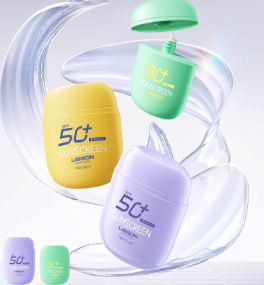
Lisson specializes in innovation-driven packaging. Options include:
- Micro-vibrating applicators for enhanced absorption
- Rotary switch dispensing systems for travel convenience
- Textured exfoliation tips integrated into skincare packaging
Custom tooling and prototyping are available for unique product concepts.
How do I get started with Lisson cosmetic bottles and applicators?
You can begin by sharing:
- Product formulation details (viscosity, actives)
- Target application area (eyes, lips, face, scalp)
- Desired user experience (cooling, massaging, precision, blending)
Lisson’s team will guide you through applicator selection, customization, and production.
Lisson as a top cosmetic bottle manufacturer, it offers different types of raw materials for its custom cosmetic bottle services, take a look at each below and get more info:
1. Lisson Custom Cosmetic Glass Bottles
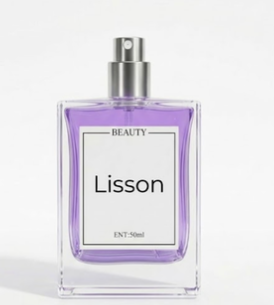
Q: Why choose glass for cosmetic packaging?
Glass is a premium material commonly used for skincare, serums, and fragrances due to its purity and high-end appearance.
Key strengths:
- Infinitely recyclable without loss of quality
- Non-reactive and non-toxic (protects formulas)
- Excellent barrier against air, moisture, and UV
- Luxurious, high-end aesthetic
2. Sugarcane Bioplastics (Bio-PE) Bottle
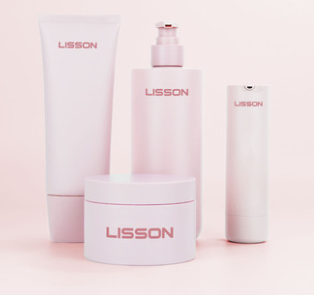
Q: What are sugarcane-based cosmetic bottles?
These are plant-based plastics made from renewable sugarcane instead of fossil fuels.
Key strengths:
- Made from renewable, plant-based resources
- Lower carbon footprint compared to traditional plastics
- Recyclable within standard PE recycling streams
- Same durability and performance as conventional plastic
3. Kraft Paper Packaging
Q: Is kraft paper suitable for cosmetic packaging?
Kraft paper is typically used for tubes or outer packaging to support eco-friendly positioning.
Key strengths:
- Renewable material sourced from wood pulp
- Biodegradable and recyclable
- Natural, organic look for clean beauty brands
- Strong and durable for transport and handling
4. Aluminum Bottles
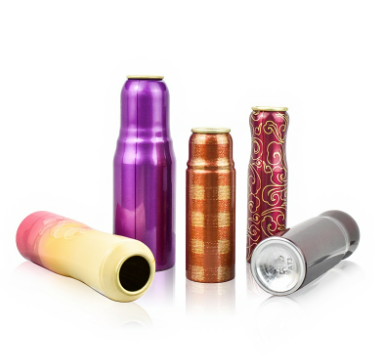
Q: Why is aluminum used in cosmetic packaging?
Aluminum is ideal for products that require strong protection, such as creams, balms, and sensitive formulations.
Key strengths:
- 100% recyclable with high reuse value
- Excellent barrier against light, air, and contamination
- Helps extend product shelf life
- Lightweight yet durable
5. Bamboo Bottle Packaging
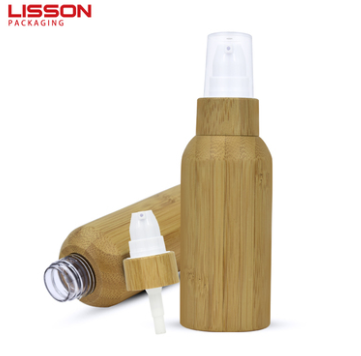
Q: What makes bamboo a popular cosmetic packaging material?
Bamboo is widely used for caps, jars, and outer components due to its sustainability and natural look.
Key strengths:
- Rapidly renewable resource
- Biodegradable and eco-friendly
- Naturally antimicrobial properties
- Premium, natural aesthetic
6. General Bioplastics
Q: How are bioplastics different from traditional plastics?
Bioplastics are derived from renewable sources like plants rather than petroleum.
Key strengths:
- Reduced dependence on fossil fuels
- Lower environmental impact
- Non-toxic material profile
- Compatible with recycling systems (depending on type)
| Material | Main Advantage |
|---|---|
| Glass | Premium quality + recyclability |
| Sugarcane Bio-PE | Sustainable + durable |
| Kraft Paper | Eco-friendly + natural look |
| Aluminum | Maximum protection |
| Bamboo | Renewable + aesthetic appeal |
| Bioplastics | Lower carbon footprint |
Ordering Process
Do you keep all the cosmetic bottles in stock?
No — all Lisson cosmetic bottles are custom-manufactured. We do not sell off-the-shelf stock products but OFFER FREE SAMPLE among the 80,000+ ready molds.
How does the ordering process work?
Our process is simple and structured:
- Select your desired packaging style
- Request samples
- Test compatibility with your formulation
- Approve final specifications
- Proceed to bulk production
Is there a minimum order quantity (MOQ)?
Yes. Since all wholesale cosmetic bottles are custom-produced, MOQs apply and vary depending on the product, materials, and decoration requirements. Normally from 5000 or 10k pcs for the initial order.
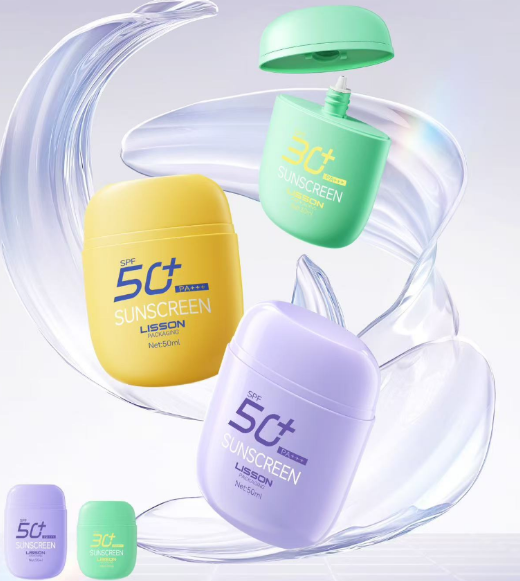
Samples & Testing
Can I order samples before bulk production?
Yes — we strongly recommend ordering samples. This is a critical step before mass production.
Are samples identical to bulk production?
Samples are used to validate design, compatibility, and functionality. Final bulk production is manufactured after your approval.
How do I ensure the packaging works with my formula?
You must test samples with your formulation to confirm:
- Compatibility
- Viscosity performance
- Pump/output behavior
- Chemical stability
We only proceed to production after your confirmation.
Customization & Specifications
Can I customize bottle design and branding?
Yes — we specialize in fully customized cosmetic packaging, including:
- Bottle shape & material
- Pump/spray systems
- Colors & finishes
- Silkscreen printing & labeling
Do you provide technical drawings and specs?
Yes — detailed specifications and technical drawings are provided for approval before production.
Do you provide dielines for artwork?
Yes — dielines are available to ensure precise label or print application.
Can you help with packaging design?
We provide technical guidance for packaging design and production feasibility.
Airless vs Standard Packaging
What’s the difference between airless and standard bottles?
- Airless bottles: Protect sensitive formulas, reduce contamination, improve product usage efficiency
- Standard bottles: More cost-effective, suitable for less sensitive formulations
Production & Costs
What affects the cost of custom cosmetic bottles?
Pricing depends on:
- Order quantity (MOQ + volume)
- Materials and components
- Custom colors and finishes
- Decoration (printing, labeling)
- Packaging complexity
How long does production take?
Lead times vary depending on customization level, but typically include:
- Sample approval phase
- Manufacturing phase
- Quality control and shipment
Shipping & Logistics
Where do you ship from?
Orders are shipped from our manufacturing facilities.
Do you ship internationally?
Yes — we support global shipping for bulk orders.
Can I use my own freight forwarder?
Yes — you may use your own shipping or logistics partner.
Do you handle bulk/pallet shipments?
Yes — we support large-scale shipments including palletized freight.
Returns & Quality Assurance
Can I return custom bottles?
Custom արտադրions are generally non-returnable once approved and manufactured.
What if there is a quality issue?
If defects occur, contact us immediately. We will assess and resolve based on agreed specifications.
Why is sample approval important?
Because bulk production follows your approved sample, ensuring alignment and minimizing risk.
Support
How do I get started?
Contact us to request samples and begin your custom packaging project.
Still have questions?
Our team is available to guide you through design, testing, and production.
1. What is a roller squeeze tube?
A roller squeeze tube is a cosmetic packaging solution that combines a flexible tube body with an integrated roller ball applicator. It allows controlled dispensing while evenly distributing the formula directly onto the skin, making it ideal for eye creams, serums, gels, and targeted treatments.
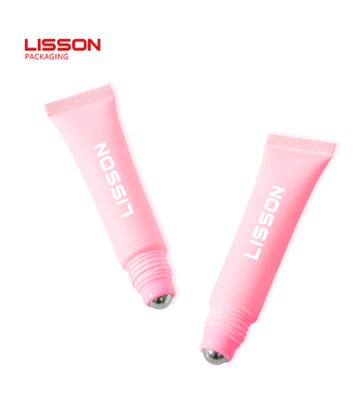
2. What products are roller squeeze tubes best suited for?
Roller squeeze tubes are commonly used for:
• Eye creams and eye serums
• Lip treatments
• Acne spot treatments
• Massage gels
• Cooling gels
• Essential oil blends
• Under-eye brightening products
They are particularly effective for localized, precision application.
3. What materials are available for the tube body?
Most roller squeeze tubes are manufactured using:
• PE (Polyethylene)
• PCR (Post-Consumer Recycled plastic)
• Multi-layer laminate materials (for enhanced barrier protection)
Material selection depends on your formula compatibility and sustainability goals.
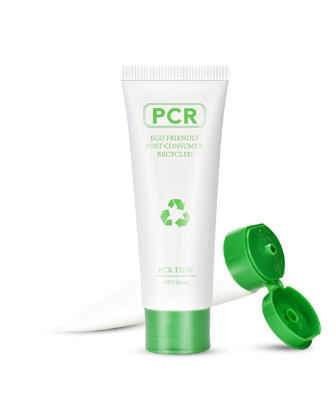
4. What roller ball materials can I choose from?
Roller balls are typically available in:
• Stainless steel (cooling effect, premium feel)
• Plastic (cost-effective)
• Glass (smooth glide)
• Ceramic (luxury and durability)
• Silicone( soft and even effect)
Stainless steel is especially popular for eye care products due to its natural cooling sensation.
5. What sizes are available?
Common capacities include:
• 5ml
• 10ml
• 15ml
• 20ml
• 30ml
Custom capacities may be available depending on your MOQ and tooling requirements.
6. Can the roller squeeze tubes be customized?
Yes. Customization options typically include:
• Tube diameter and length
• Color matching (Pantone)
• Matte, glossy, or soft-touch finishes
• Offset printing, silk screening, hot stamping
• Custom caps
• Private labeling
Artwork templates are usually provided after order confirmation.
7. Are roller squeeze tubes leak-proof?
Yes, when properly engineered. High-quality roller squeeze tubes are designed with tight sealing mechanisms to prevent leakage during transportation and storage. Compatibility testing with your formula is recommended before mass production.
8. Are these applicator squeeze tubes suitable for thick formulations?
They work best with light to medium viscosity formulations (serums, gels, light creams). For thicker creams, flow testing is recommended to ensure smooth dispensing.
9. Can roller squeeze tubes be made eco-friendly?
Yes. Options may include:
• PCR materials
• Mono-material designs for improved recyclability
• Reduced plastic wall thickness
• Sustainable decoration techniques
Discuss your sustainability goals with your manufacturer to determine the best solution.
10. What is the typical minimum order quantity (MOQ)?
MOQ varies depending on customization level, but standard ranges often start from 5,000–10,000 units. Stock options may have lower MOQs.
11. What is the production lead time?
Typical lead times:
• Custom orders: 3–5 weeks
Lead times depend on decoration, material selection, and order quantity.
12. Do you provide samples?
Yes. Lisson as a cosmetic tube manufacturer its Stock samples are generally available for testing. Custom pre-production samples can also be provided prior to bulk manufacturing.
13. Are roller squeeze tubes compatible with sensitive skincare formulas?
Most are compatible, but material and component compatibility testing (especially with active ingredients or essential oils) is strongly recommended to ensure stability and safety.
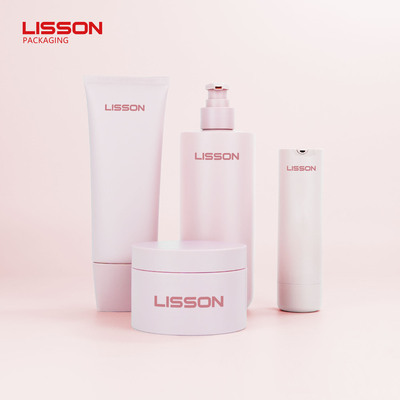
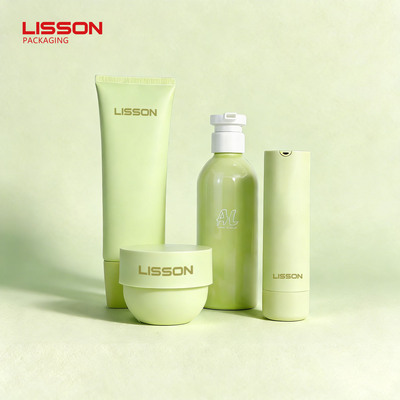
1. What are aluminium tubes used for in the food industry?
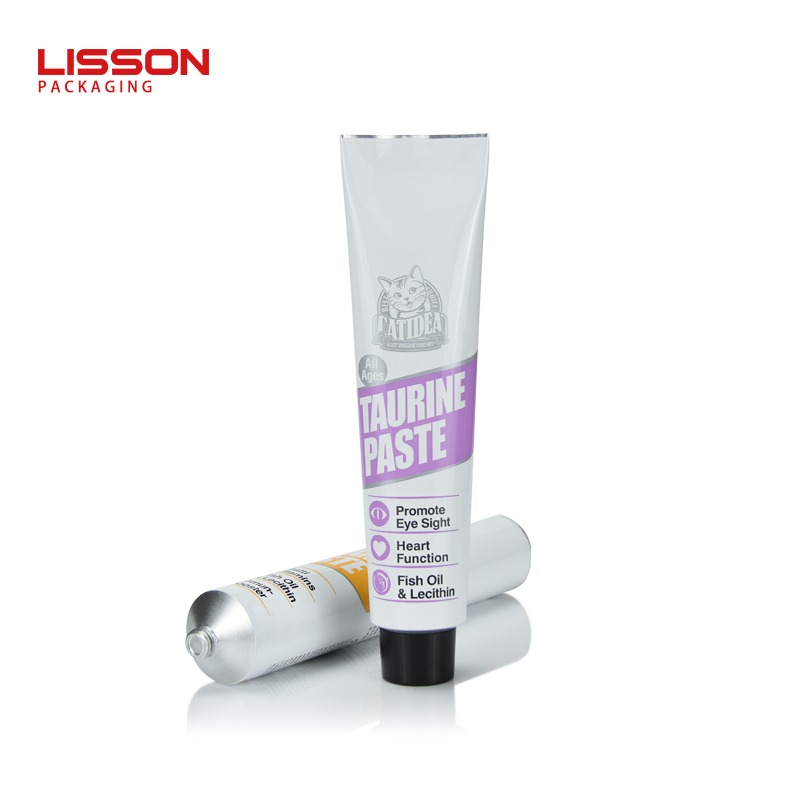
Aluminium collapsible tubes are widely used for packaging semi-solid and viscous food products such as sauces, pastes, condiments, honey, chocolate spreads, icing, and flavor concentrates. They provide excellent protection and controlled dispensing.
2. Are aluminium squeeze tubes safe for food contact?
Yes. Aluminium tubes intended for food applications are manufactured in compliance with international food-contact regulations (such as FDA, EU, or equivalent standards). They are internally lacquered with food-grade coatings to prevent direct contact between the food and the metal.
3. Why are aluminium collapsible tubes preferred over plastic packaging for food?
Aluminium tubes offer superior barrier properties against light, oxygen, moisture, and contaminants. They are also non-toxic, tamper-resistant, and maintain product freshness and shelf life better than many plastic alternatives.
4. Do aluminium tubes affect the taste or quality of food?
No. The internal food-grade lacquer ensures that aluminium does not interact with the product, preserving the original taste, aroma, and quality throughout the product’s shelf life.
5. Are aluminium tubes recyclable?
Yes. Aluminium is 100% recyclable without loss of quality. Using aluminium tubes supports sustainability initiatives and reduces environmental impact when properly collected and recycled.
6. What types of food products can be packed in aluminium tubes?
Aluminium tubes are suitable for a wide range of food products, including:
-
Tomato paste and sauces
-
Condiments and spreads
-
Honey and syrups
-
Chocolate and dessert pastes
-
Food flavorings and concentrates
7. Can aluminium squeeze tubes be customized?
Yes. Aluminium tubes can be customized in terms of diameter, length, shoulder design, nozzle type, cap style, and external printing. High-quality offset printing allows for strong branding and product differentiation.
8. How do aluminium tubes ensure product hygiene?
Aluminium tubes collapse as the product is dispensed, preventing air from flowing back into the tube. This minimizes oxidation, microbial contamination, and product waste.
9. What shelf life benefits do aluminium tubes provide?
Due to their excellent barrier properties, aluminium tubes significantly extend shelf life by protecting food products from environmental factors such as light, air, and humidity.
10. Are aluminium tubes suitable for hot-fill or sensitive food products?
Yes. Aluminium tubes are well-suited for hot-fill processes and for packaging sensitive products that require strong protection against heat, light, and oxidation.
11. What sizes of aluminium tubes are available for food packaging?
Aluminium tubes are available in a wide range of sizes, typically ranging from small volumes (5–30 ml) to larger capacities (up to 250 ml or more), depending on product requirements.
12. Do aluminium tubes support tamper evidence?
Yes. Aluminium tubes can be supplied with tamper-evident caps or seals, ensuring consumer safety and product integrity.